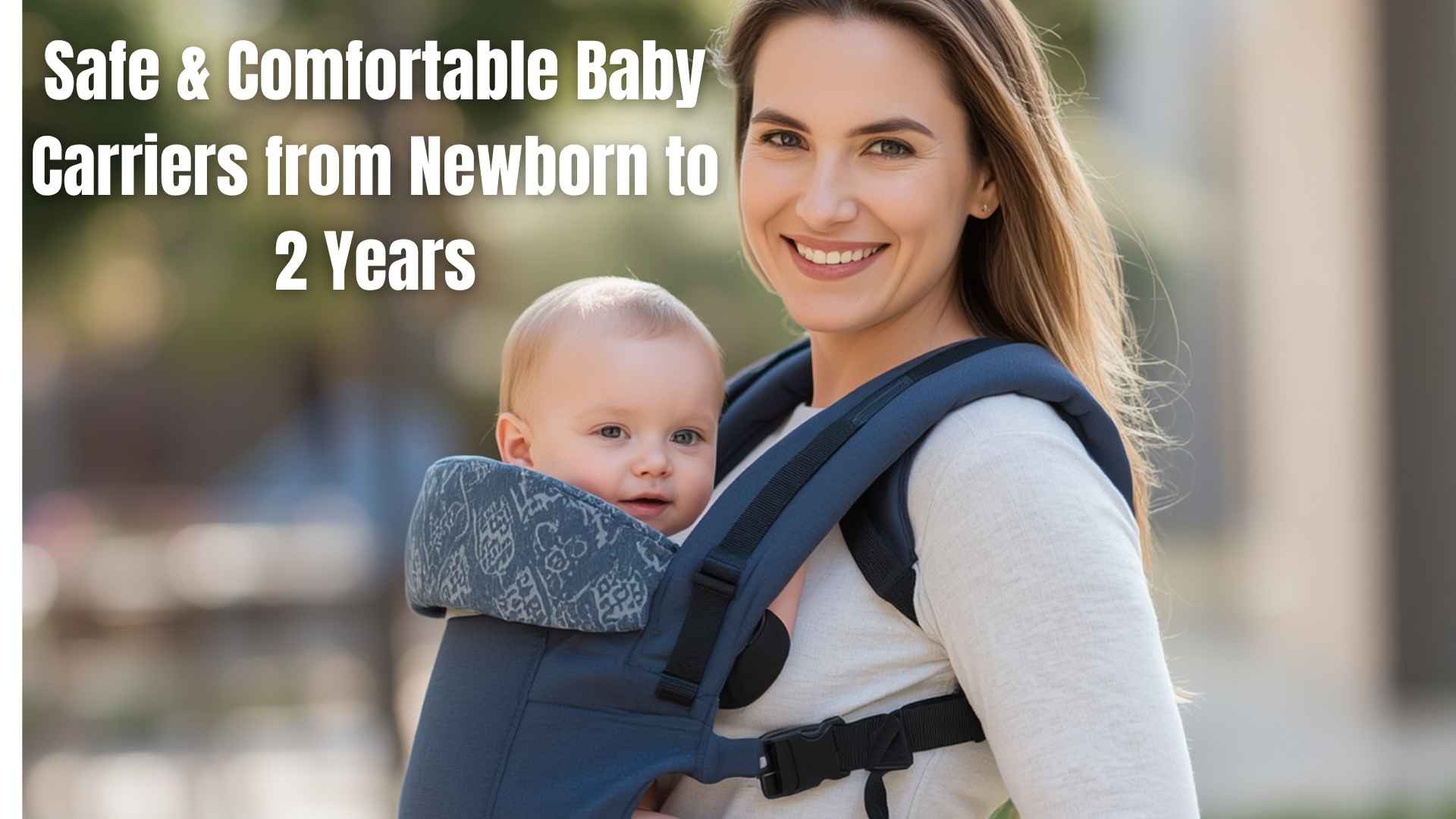
Finding the best baby carriers for newborns makes everyday life much easier by offering hands-free convenience, essential hip support, and physical closeness. Beyond practicality, babywearing encourages bonding, regulates your baby’s breathing, and calms fussy infants during daily outings.
For parents preparing for life with an infant, pairing a quality carrier with one of our recommended Best Baby Strollers for Newborns makes walks and errands effortless. In this guide, we’ll cover top-rated carrier options, key features to look for, and essential safety tips to keep your little one secure as they grow.
Why Choosing the Best Baby Carriers for Newborns Matters
Not all baby carriers are designed the same. Investing in the best baby carriers for newborns ensures proper support for your baby’s neck, spine, and hips while keeping parents comfortable during extended use.
Core Benefits of Quality Babywearing:
-
Supports Healthy Hip Development: Keeps hips in a neutral, natural alignment to prevent hip dysplasia.
-
Reduces Physical Strain: Evenly distributes weight across the wearer’s shoulders, back, and hips.
-
Encourages Parent-Baby Bonding: Close physical contact fosters trust and soothing closeness.
-
Keeps Hands Free: Allows you to manage daily activities, chores, or errands with ease.
-
Helps Soothe Fussy Babies: Vertical position aids digestion and comforts restless infants.
A well-designed carrier can become one of the most-used baby products during the first two years. During this important stage of growth, many parents also introduce age-appropriate learning tools. You may enjoy our guide on the Top 10 Educational Toys for Babies to support your baby’s cognitive and sensory development.
Types of Baby Carriers
Understanding the different styles can help you select the best baby carriers for newborns depending on your body type and daily routine:
-
Baby Wraps: Made from long pieces of soft fabric that secure your baby close to your body. Best for newborns and young infants.
-
Ring Slings: Use adjustable rings to create a quick, secure seat. Best for quick carries and breastfeeding support.
-
Soft Structured Carriers (SSCs): Feature padded straps, waistbands, and buckles for maximum weight distribution. Best for long-term use from newborn through toddlerhood.
-
Meh Dai (Mei Tai) Carriers: A traditional hybrid between wraps and structured carriers, offering tie-on flexibility.
-
Backpack / Outdoor Carriers: Heavy-duty frames built for extended hikes and outdoor adventures. Best for older infants and toddlers.
Heading Outdoors? Make sure your little one is dressed comfortably for the weather. Check out our guide on Types of Kids wear Every Parent Should Know for practical clothing options.
Key Features to Look For Before Buying
When comparing the best baby carriers for newborns, keep these core features in mind:
-
Age and Weight Range: Ensure the carrier can grow with your baby from newborn to age 2 without requiring complex extra accessories.
-
Ergonomic Hip Support: Look for carriers that support the recommended “M-position” (spread-squat posture) where knees sit higher than hips.
-
Parent Lumbar Support: Padded shoulder straps and wide waistbands help reduce lumbar and shoulder strain during long wear.
-
Breathable Fabrics: 3D air mesh panels and lightweight cottons keep both parent and baby from overheating.
-
Ease of Cleaning: Machine-washable fabrics save time and hassle when inevitable spills happen.
Top Picks: The Best Baby Carriers for Newborns to 2 Years
Below are our top recommendations when evaluating the best baby carriers for newborns based on ergonomic safety, parent comfort, and longevity.
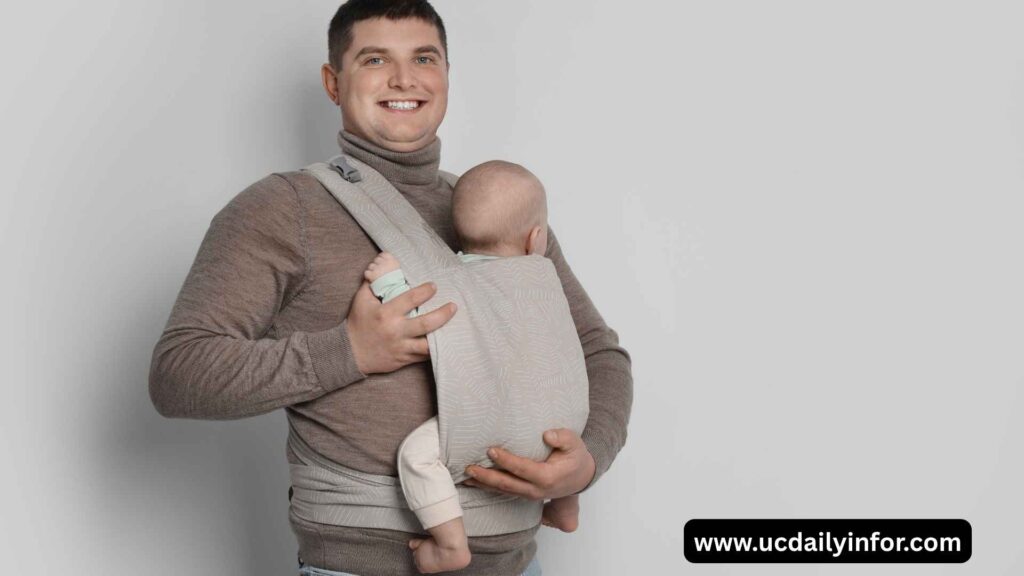
1. Ergobaby Omni Breeze – Best Overall Ergonomic Carrier
-
Age Range: 7–45 lbs (Newborn to Toddler)
-
Carry Positions: 4 (Front Inward, Front Outward, Hip, Back)
-
Key Features: SoftFlex™ breathable mesh, built-in lumbar support, adjustable seat.
2. BabyBjörn Baby Carrier One – Best for Fast Buckling

-
Age Range: 8–33 lbs
-
Carry Positions: 4 (Inward and Back options)
-
Key Features: Built-in newborn head support, sturdy click-in safety buckles, easy solo fitting.
3. Boba Wrap Carrier – Best Stretchy Wrap for Bonding

-
Age Range: 7–35 lbs
-
Carry Positions: Front Inward
-
Key Features: Ultra-soft stretchy French terry cotton, ideal for skin-to-skin contact, machine washable.
4. LILLEbaby Complete All Seasons – Best for Changing Weather

-
Age Range: 7–45 lbs
-
Carry Positions: 6
-
Key Features: Zip-down temperature control mesh panel, wide lumbar support waistband.
5. Moby Ring Sling – Best for Quick Errands

-
Age Range: 8–33 lbs
-
Carry Positions: Front Inward & Hip Carry
-
Key Features: Lightweight 100% woven cotton, elegant aluminum rings, compact travel fit.
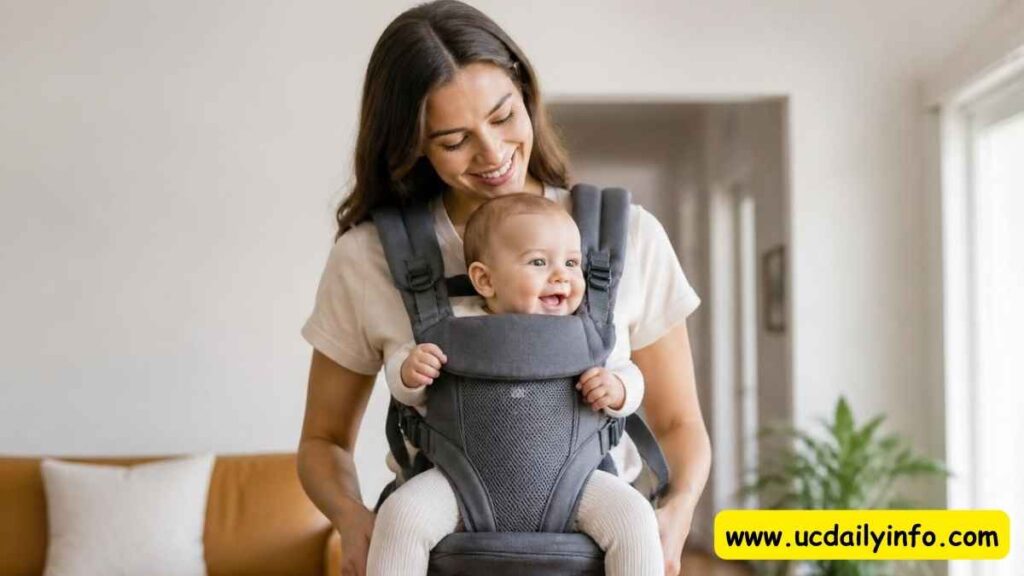
6. Infantino Flip 4-in-1 – Best Budget-Friendly Option
-
Age Range: 8–32 lbs
-
Carry Positions: 4
-
Key Features: Convertible narrow/wide seat, padded shoulder straps, affordable price point.
Baby Carrier Safety Guidelines: The T.I.C.K.S. Rule
Even when using the best baby carriers for newborns, safety should always come first. Always check your posture using the T.I.C.K.S. Rule:
-
T – Tight: The carrier holds your baby snugly against your chest to prevent slumping.
-
I – In View at All Times: You can see your baby’s face easily simply by looking down.
-
C – Close Enough to Kiss: Your baby’s head rests near your chin.
-
K – Keep Chin Off Chest: Maintain at least a two-finger gap under your baby’s chin for safe breathing.
-
S – Supported Back: In a snug carrier, your baby’s spine is supported in its natural curved alignment.
Parenting Tip: As your baby grows past the newborn stage into toddlerhood, you’ll face exciting new milestones. If you’re navigating big emotions, don’t miss our guide on How to Handle Tantrums in 2-Year-Olds.
FAQ: Best Baby Carriers for Newborns
What type of baby carrier is best for newborns?
Soft stretchy wraps (like the Boba Wrap) and ergonomic structured carriers with built-in newborn adjustments (like the Ergobaby Omni Breeze) offer the safest, head-and-neck-supported alignment for newborns.
Can babies safely sleep in a baby carrier?
Baby carriers should be used according to the manufacturer’s instructions, with particular attention to your baby’s airway and positioning. For additional infant-safety guidance, parents can review information from the NHS
Are baby carriers safe for hip development?
Carriers that hold your baby’s legs in an ergonomic M-position (knees higher than hips) can support healthy hip positioning. The International Hip Dysplasia Institute explains recommended hip positioning in greater detail.
Final Thoughts
Selecting one of the best baby carriers for newborns ensures both you and your baby enjoy safe, comfortable closeness as they grow into toddlerhood. Whether you choose the snug wrap feel or the structured lumbar support of an all-in-one carrier, the right fit makes early parenthood noticeably smoother.
The security and connection babywearing provides also helps lay the foundation for confidence as your child matures. For more long-term strategies, read our guide on How to Raise Confident and Independent Kids.