How to Raise Confident and Independent Kids: 7 Simple Parenting Tips
How to Raise Confident and Independent Kids: 7 Simple Parenting Tips
This post may contain affiliate links. If you purchase through these links, I may earn a small commission at no extra cost to you. I only recommend products I genuinely believe are helpful for parents and families.
Every parent wants to raise children who believe in themselves, solve problems confidently, and grow into responsible adults. But confidence and independence do not appear overnight. They are built slowly through daily parenting habits, encouragement, and opportunities to learn.
If you have ever wondered how to raise confident and independent kids without being overly strict or overly protective, this guide will help you.
The good news is that small changes in your parenting style can make a huge difference in your child’s emotional growth and self-esteem.
1. Let Kids Make Small Decisions to Build Confidence

One of the fastest ways to build independence is by allowing children to make age-appropriate choices.
Simple decisions like choosing clothes, picking snacks, or organizing their toys teach kids responsibility and confidence in their judgment.
When children constantly rely on adults for every little thing, they may begin to doubt their abilities. But when they are trusted with small choices, they learn that their opinions matter.
Small Decisions That Help Raise Confident and Independent Kids
- Choosing between two healthy meals
- Picking bedtime stories
- Deciding how to organize school supplies
- Choosing weekend activities
These products encourage independent thinking and responsibility at home.
2. Give Children Opportunities to Do Things on Their Own

Many parents help too much because they want to protect their children from struggle. But confidence grows when kids learn how to solve problems themselves.
Children who are never allowed to try may become fearful of failure.
Instead of rushing to fix every issue, guide your child gently and allow them to learn through experience.
For example:
- Let them tie their shoes
- Allow them to pack school bags
- Encourage them to clean small messes
- Teach simple cooking skills safely
Children feel proud when they accomplish tasks independently.
If you are looking for more practical ways to improve your parenting approach, you may also enjoy reading our guide on “Parenting Tips That Actually Work,” where we share simple everyday habits that help parents build stronger relationships with their children while encouraging positive behavior at home.
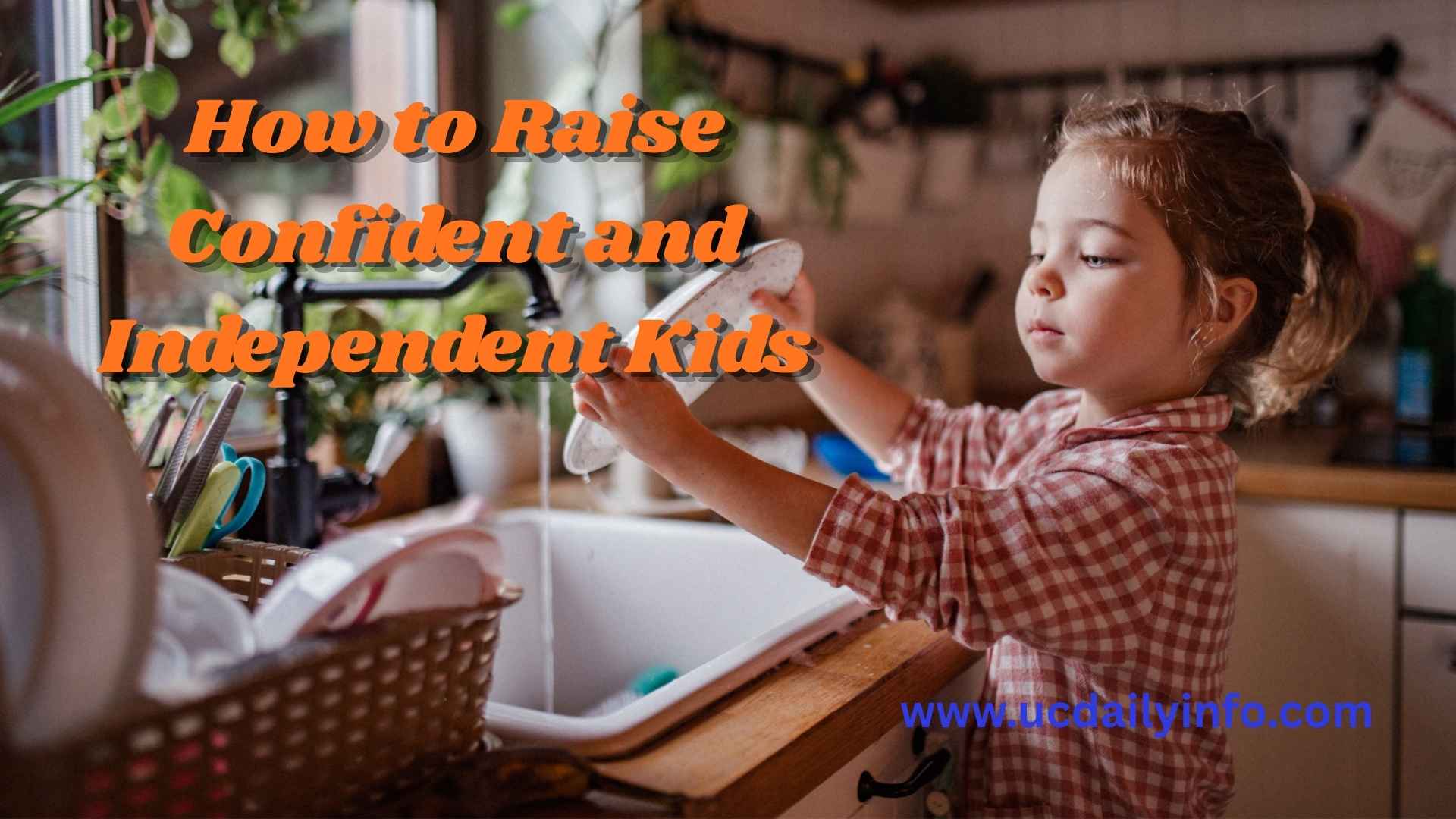
Encouraging children to handle small tasks on their own becomes much easier when they have the right tools. For example, sturdy kids step stools can help younger children safely reach sinks or kitchen counters while learning simple daily routines independently.
You can also make learning more exciting with beginner cooking kits for kids that teach basic kitchen skills in a fun and safe way. Preparing meals together not only builds confidence but also encourages responsibility.
For school-age children, practical lunchbox sets can help kids learn organization and responsibility when packing their meals each day. Many parents also love using educational life-skill toys that teach problem-solving, creativity, and independent thinking through hands-on play.
3. Praise Effort Instead of Perfection When Raising Confident and Independent Kids

Children become more confident when they know mistakes are part of learning.
Instead of saying:
“You are the smartest kid.”
Try saying:
“I am proud of how hard you worked.”
This type of praise builds resilience rather than pressure.
Kids who are praised only for results may fear failure. But children praised for effort learn persistence and courage.
Ways to Raise Confident and Independent Kids
- Celebrate progress
- Avoid comparing siblings
- Encourage trying again after mistakes
- Teach problem-solving skills
Building confidence in children often starts with the words they hear every day. Many parents use positive affirmation cards for kids to help children develop healthy self-esteem, positive thinking, and emotional resilience in a fun and encouraging way.
Confidence-building journals can also be helpful for teaching kids how to express their thoughts, celebrate achievements, and reflect on personal growth. Simple daily journaling habits may improve both confidence and emotional awareness over time.
Parents who want deeper guidance can also explore parenting books about emotional growth that offer practical strategies for raising emotionally strong and confident children.
- Positive affirmation cards for kids
- Confidence-building journals
- Parenting books about emotional growth
4. Teach Responsibility Early

Independent kids understand responsibility from an early age.
Giving children small household responsibilities teaches discipline, teamwork, and accountability.
Simple chores help children feel important within the family.
Age-Appropriate Chores for Raising Confident and Independent Kids
Ages 3–5
- Put toys away
- Feed pets
- Wipe tables
Ages 6–9
- Fold clothes
- Make beds
- Help prepare meals
Ages 10+
- Wash dishes
- Organize rooms
- Help younger siblings
Responsibility helps children feel capable and trusted.
Taking care of your family becomes much easier when parents also maintain healthy daily habits and routines. You may also enjoy reading our guide on “Simple Self-Care Routine for Busy Mothers and Fathers,” where we share realistic ways parents can reduce stress, stay organized, and create a healthier family environment.
Making responsibilities fun can encourage children to participate more willingly in daily household routines. Many parents use family chore boards to organize tasks clearly and help children understand their responsibilities in a simple visual way.
Reward jars can also be a great motivational tool for encouraging positive behavior and consistency with chores. Small rewards often make routines feel exciting and help children stay engaged.
For younger children, kids cleaning sets can turn everyday cleaning into a playful learning activity while teaching responsibility and independence at the same time. You can also use routine planners to help children build healthy habits, manage time better, and follow daily schedules more independently.
5. Encourage Social Confidence

Confident children communicate more comfortably with others.
You can help build social confidence by:
- Encouraging conversations
- Allowing playdates
- Teaching eye contact
- Practicing greetings politely
Children who feel socially comfortable often perform better in school and relationships.
Remember not to force shy children aggressively. Confidence grows gradually.
Helpful Parenting Tip
Role-playing social situations at home can help children feel more prepared in public.
6. How to Raise Confident and Independent Kids Through Failure

One major mistake parents make is trying to prevent every disappointment.
But failure teaches resilience.
Learning how to raise confident and independent kids also means giving them safe opportunities to experience disappointment and learn from mistakes. Children learn valuable life lessons when they lose games, forget homework, make mistakes, or face challenges.
- Lose games
- Forget homework
- Make mistakes
- Face challenges
Instead of rescuing them immediately, help them reflect:
- What happened?
- What can you improve next time?
- What did you learn?
This builds emotional strength and independence.
If you want to go deeper into practical strategies that shape a child’s self-esteem and emotional strength, you may also find our guide on “Parenting Advice for Raising Confident Kids” helpful. It shares simple, real-life parenting approaches that support confidence-building, better communication, and healthy emotional development in children.
Emotional learning books for kids
Emotional learning books for kids help children understand their feelings, build empathy, and learn how to respond to emotions in healthy ways. These books are especially useful for teaching kids how to manage anger, express sadness, and communicate more confidently in daily life.
7. Be a Good Example When Raising Confident and Independent Kids
Children learn confidence by watching their parents.
If parents constantly criticize themselves or avoid challenges, children may copy those behaviors.
Show confidence in your own daily life:
- Try new things
- Speak positively
- Solve problems calmly
- Admit mistakes openly
Kids learn more from what parents do than what they say.
FAQ
How do you raise an independent child?
You raise an independent child by allowing them to make decisions, complete responsibilities, solve problems, and learn from mistakes.
Why is confidence important for kids?
Confidence helps children develop emotional resilience, social skills, leadership abilities, and healthy self-esteem.
At what age should children start chores?
Children can begin simple chores as early as age 3 with small supervised tasks like putting toys away.
Can overprotective parenting reduce confidence?
Yes. Constantly solving every problem for children may prevent them from developing independence and resilience.
Final Thoughts on Raising Confident and Independent Kids
Learning how to raise confident and independent kids starts with small everyday parenting habits.
Confidence grows when children:
- Feel trusted
- Learn responsibility
- Solve problems
- Experience encouragement
- Are allowed to make mistakes safely
No parent is perfect, and every child develops differently. The goal is not perfection, it is progress.
With patience, love, and consistency, you can raise children who believe in themselves and confidently face the world.