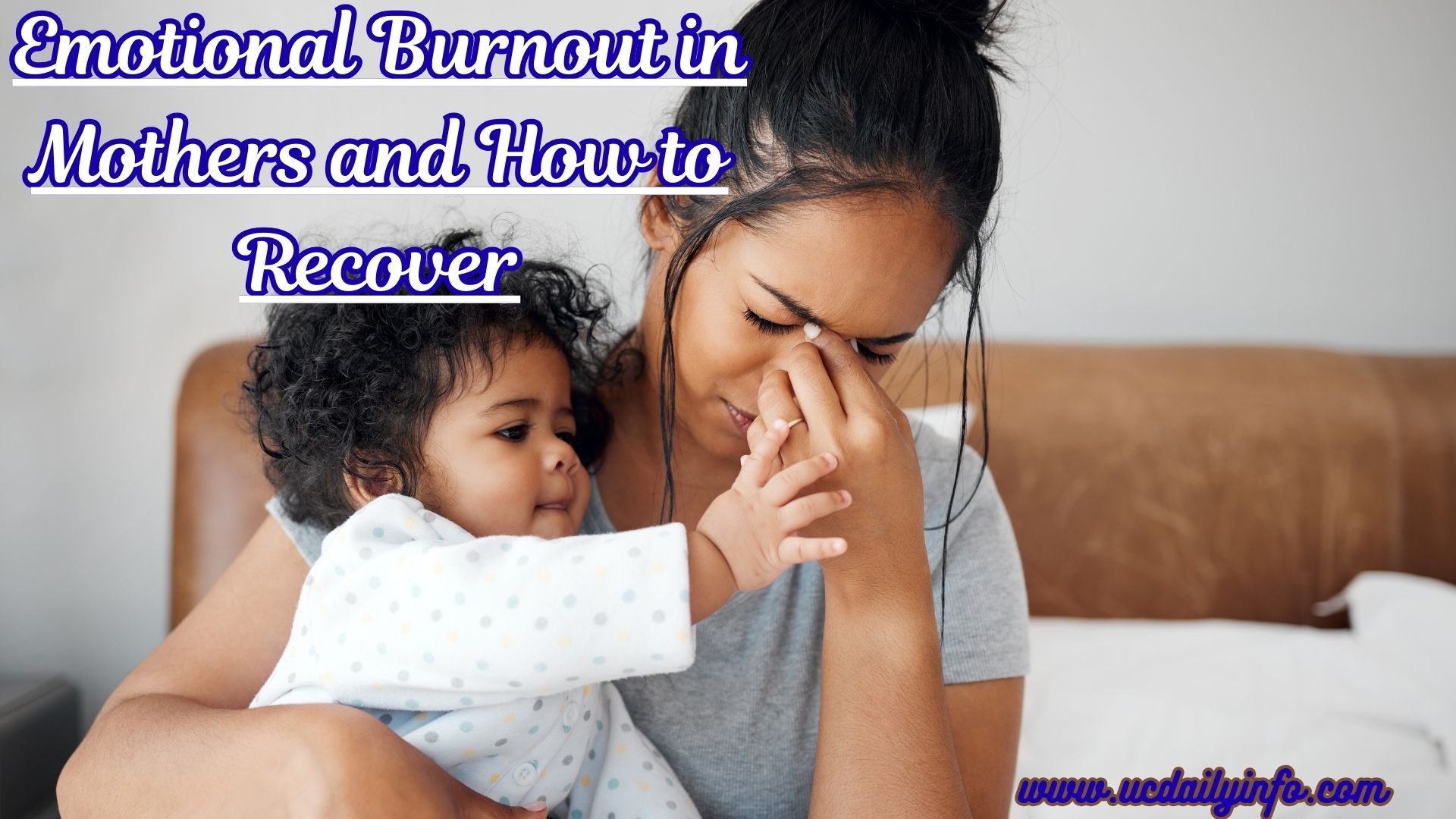
Emotional Burnout in Mothers and How to Recover
Motherhood is beautiful, but it is also demanding. Many moms silently carry stress, exhaustion, and emotional pressure every single day. When this stress builds up for too long without rest or support, it can turn into emotional burnout.
Emotional burnout in mothers is real. It does not mean you are weak. It means you have been strong for too long without enough help.
In this guide, you will learn what emotional burnout looks like, why it happens, and simple steps you can take to recover and feel like yourself again.

A tired mother sitting.
What Is Emotional Burnout?
Emotional burnout is a state of deep mental and emotional exhaustion. It happens when stress continues for weeks or months without proper rest or relief.
Unlike normal tiredness, burnout does not go away with just one good night of sleep. It affects your mood, energy, patience, and even your health.
Burnout can make you feel:
- Drained even after resting
- Irritable over small things
- Emotionally distant from your children
- Guilty for not “doing enough”
- Unmotivated or numb
Many mothers feel ashamed to admit this. But acknowledging burnout is the first step toward healing.
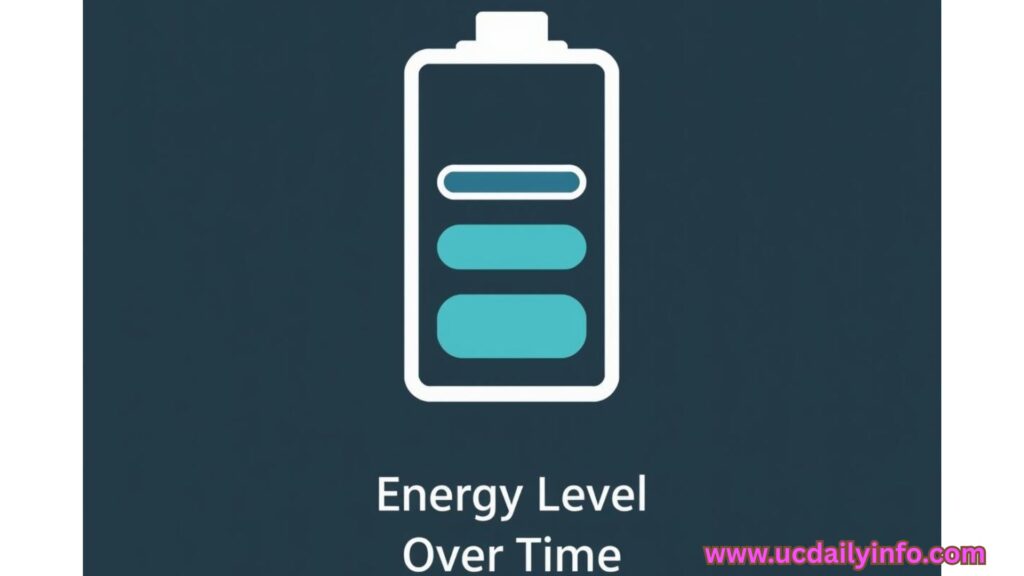
“Energy Level Over Time.”
Common Causes of Emotional Burnout in Mothers
Burnout does not happen overnight. It builds slowly.
1. Constant Responsibility
Mothers often carry the mental load — remembering school dates, doctor visits, meals, cleaning, and everyone’s needs.
2. Lack of Support
Doing everything alone, especially without emotional support, increases stress quickly.
3. Sleep Deprivation
Newborn stages, toddlers, and busy schedules reduce sleep. Over time, this affects mood and mental strength.
4. Financial Pressure
Worrying about bills, childcare costs, and daily expenses adds hidden stress.
5. Trying to Be “Perfect”
Social media and comparison can make mothers feel like they are not doing enough.
Burnout is not caused by one bad day. It is caused by too many hard days without recovery.
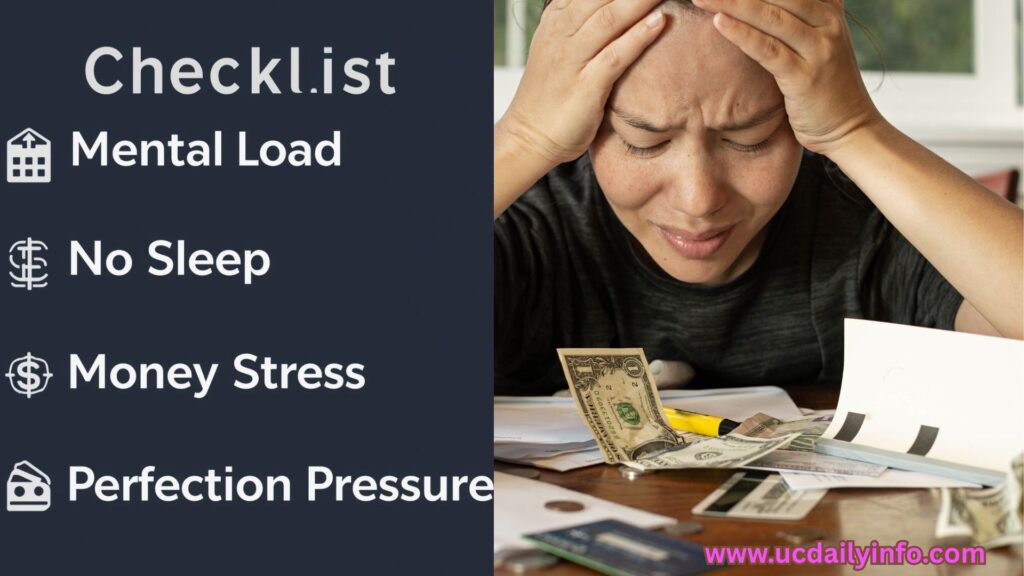
“Mental Load,” “No Sleep,” “No Help,” “Money Stress,” and “Perfection Pressure”
Signs You Might Be Emotionally Burned Out
Sometimes moms think they are just tired. But burnout has deeper signs.
You may notice:
- Crying more often
- Feeling numb instead of joyful
- Avoiding social interactions
- Losing interest in things you used to enjoy
- Feeling trapped or resentful
- Frequent headaches or body tension
In some cases, burnout can overlap with postpartum depression. According to the American Psychological Association, chronic stress can lead to emotional exhaustion and reduced personal accomplishment.
If your feelings are intense or last many weeks, speaking with a doctor or counselor is very important.
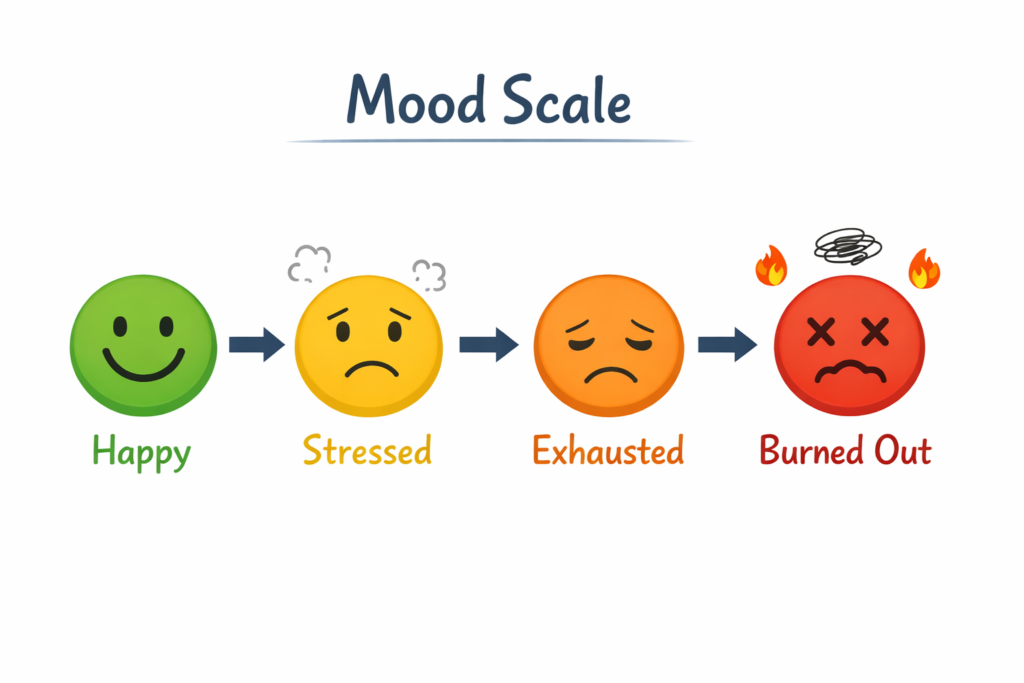
Why Mothers Ignore Burnout (Emotional Burnout in Mothers and How to Recover)
Many mothers ignore their feelings because:
- “Other moms are handling it.”
- “I should be grateful.”
- “It’s just part of motherhood.”
- “I don’t have time to rest.”
But ignoring burnout makes it worse. Emotional exhaustion affects your patience, your health, and your relationships.
Taking care of yourself is not selfish. It is responsible parenting.
When you are emotionally healthy, your children benefit too.

a stressed mom snapping, the other showing a calm mom hugging her child.
How to Recover from Emotional Burnout
Recovery does not happen in one day. But small steps make a big difference.
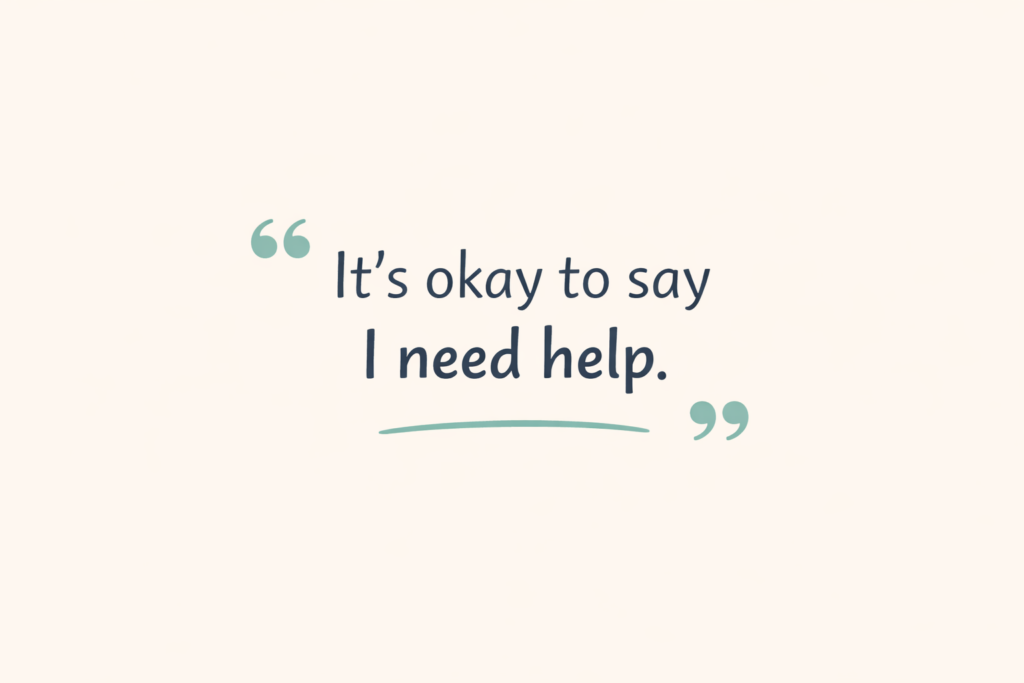
1. Admit That You Are Tired (Emotional Burnout in Mothers and How to Recover)
Say it honestly: “I am overwhelmed.”
There is power in naming your feelings.
You do not have to carry everything silently.
2. Reduce the Mental Load (Emotional Burnout in Mothers and How to Recover)
Write everything down, tasks, appointments, worries. Seeing it on paper helps clear your mind.
Delegate what you can:
- Ask your partner to handle bedtime.
- Let older children help with small chores.
- Order groceries online if possible.
You do not have to do it all.
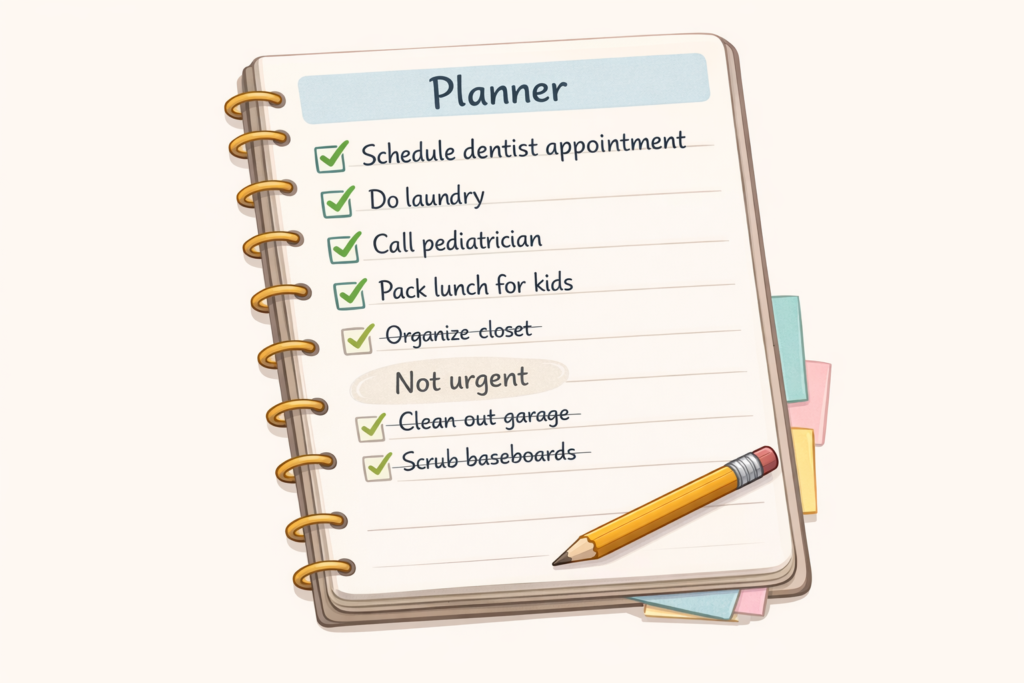
A planner page with tasks.
3. Improve Sleep in Small Ways (Emotional Burnout in Mothers and How to Recover)
Even if you cannot get 8 full hours, try:
- Going to bed 30 minutes earlier
- Resting when your child naps
- Reducing phone use at night
Sleep restores emotional strength.
If you struggle with insomnia or anxiety, consider speaking with a healthcare provider.

A calm bedtime scene.
4. Create Micro-Breaks (Emotional Burnout in Mothers and How to Recover)
You may not get a vacation. But you can create 10-minute breaks.
Examples:
- Drink tea alone in silence
- Take a short walk
- Listen to uplifting music
- Sit outside and breathe deeply
Small breaks reset your nervous system.
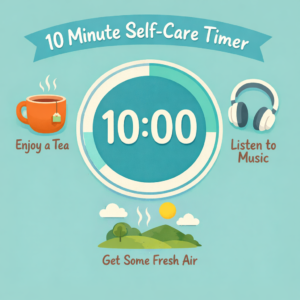
A simple 10-minute self-care timer graphic.
5. Reconnect with Something That Is Just for You (Emotional Burnout in Mothers and How to Recover)
Before you were a mother, you were still you.
Think about:
- Reading
- Writing
- Exercising
- Learning a skill
- Calling a friend
Even 20 minutes a week can help you feel human again.
You deserve an identity outside of motherhood.

A mother reading a book peacefully while her child plays nearby.
6. Seek Professional Help If Needed (Emotional Burnout in Mothers and How to Recover)
If burnout turns into constant sadness, hopelessness, or thoughts of harming yourself, seek help immediately.
Organizations like the Postpartum Support International offer resources and support for mothers worldwide.
Talking to a therapist does not mean you failed. It means you are choosing healing.

A mother talking to a therapist.
How to Prevent Burnout in the Future
Once you start feeling better, prevention is important.
- Set realistic expectations.
- Stop comparing yourself online.
- Build a small support system.
- Schedule rest before you feel exhausted.
- Practice saying “no” without guilt.
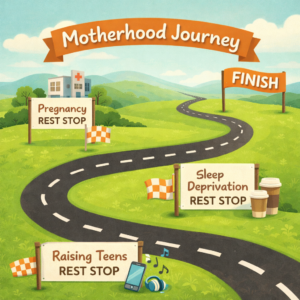
Motherhood is a long journey. You cannot run a marathon at sprint speed.
Pace yourself.
Final Encouragement for Every Mother (Emotional Burnout in Mothers and How to Recover)
If you are experiencing emotional burnout, you are not alone.
Millions of mothers silently struggle every day. That does not make you a bad mom. It makes you human.
Your children do not need a perfect mother.
They need a present, emotionally healthy one.
And that starts with caring for yourself.
Take one small step today. Rest. Ask for help. Breathe.
You matter too.

A mother holding her child’s hand.
YOU MAY ALSO LIKE;
How the American School System Works for Parents
How American Parents Manage Childcare Costs 
Cost of Raising a Child in the USA Explained Simply