
Screen Time Rules for Little Kids
Thank you for reading this post, don't forget to subscribe!A Simple Guide for Parents

Screen time is everywhere today, phones, tablets, TVs, and even toys. But for little kids, screens can be fun and educational, but too much screen time can affect sleep, behavior, and learning. That’s why setting clear screen time rules early really matters.
This guide will help you understand healthy screen time rules for little kids, without stress or guilt.
Why Screen Time Rules Are Important for Little Kids
Young children’s brains grow fast. They learn best through play, talking, moving, and real-life experiences. Too much screen time can reduce these important moments.
Healthy screen rules help kids,
build better sleep habits,
improve attention and focus,
encourage physical activity,
support emotional development.
Screen time is not the enemy, balance is the key.
How Much Screen Time Is Okay by Age
Not all ages need the same screen rules. Here is a simple guide parents can follow.
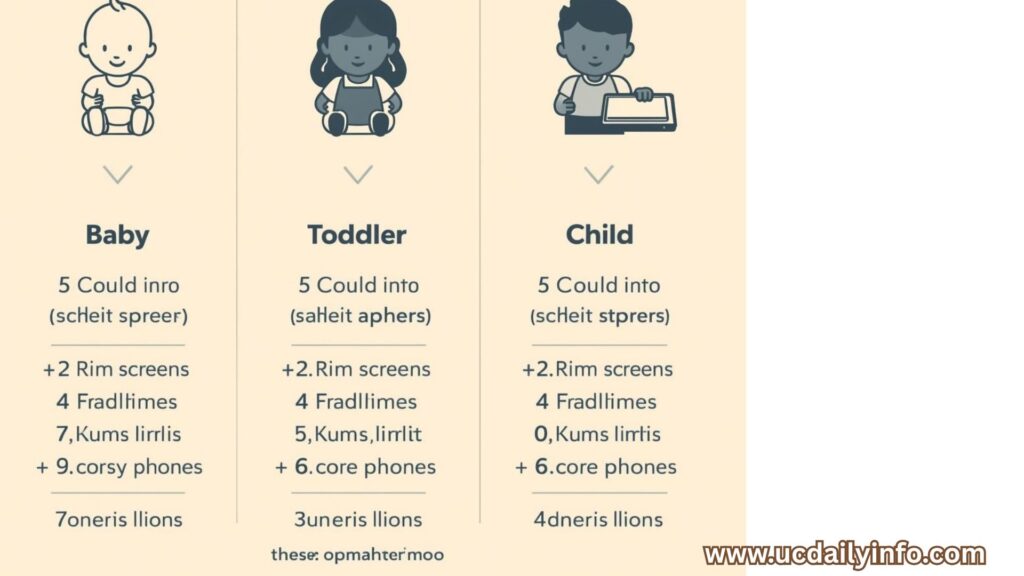
For ages 0–2,
Avoid screen time as much as possible, except for video calls with family.
then ages 2–5,
Limit screen time to about one hour per day, choose high-quality educational content.
and also ages 6 and above,
Set clear daily limits and make sure screens do not replace sleep, homework, or play.
Remember, quality matters more than quantity.
Create Clear Screen Time Rules at Home (Screen Time Rules for Little Kids)
Kids feel safer when rules are clear and consistent. Simple rules work best.
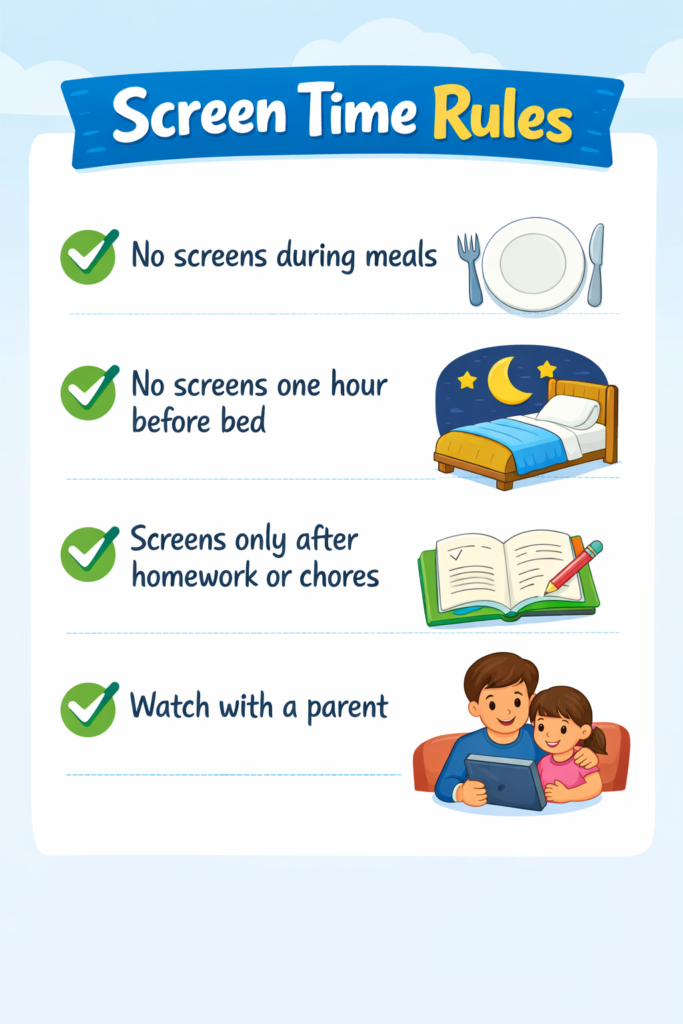
Examples of easy screen time rules,
No screens during meals,
No screens one hour before bedtime,
Screens only after homework or chores,
Adults supervise what kids watch.
Explain rules calmly and repeat them often.
Choose the Right Content for Little Kids (Screen Time Rules for Little Kids)
All screen time is not the same. Educational and age-appropriate content can support learning when used correctly.
Look for content that,
is slow-paced,
encourages thinking and problem solving,
has positive messages,
is made for your child’s age group.
Avoid fast, loud, or violent shows.
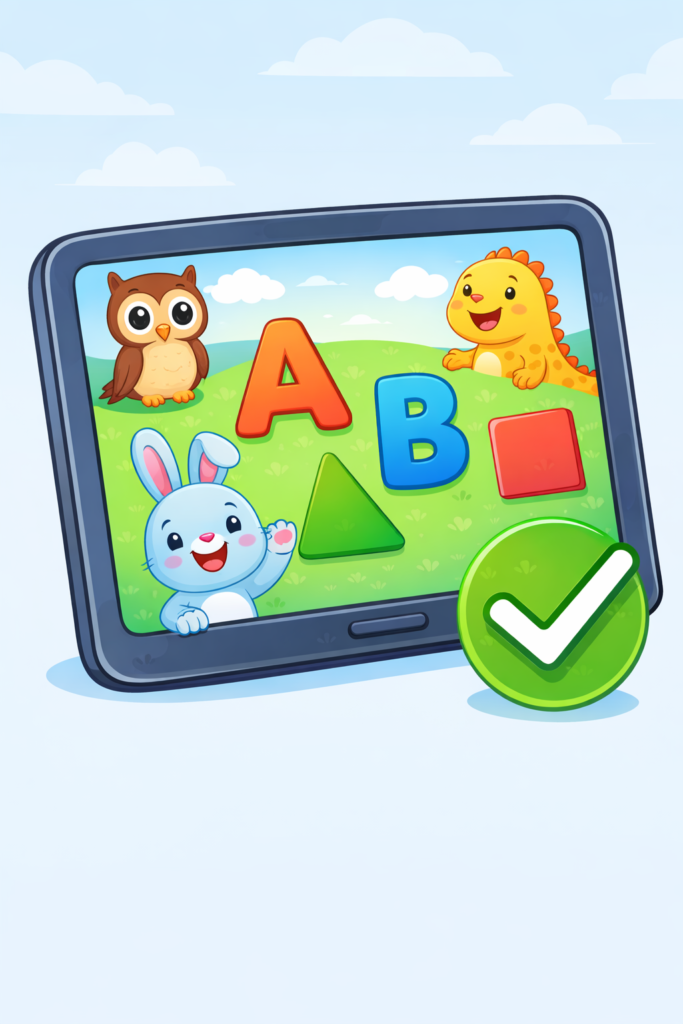
A tablet screen showing letters, shapes, and friendly cartoon characters with a green check mark.
Watch Together and Talk About What They See
Co-viewing makes screen time more meaningful. Sit with your child when possible and talk about what’s happening on the screen.
Ask simple questions like,
What is the character doing,
What color is that,
How do you think they feel.
This turns screen time into learning time.

Set a Good Example as a Parent (Screen Time Rules for Little Kids)
Kids copy what they see. If parents are always on their phones, children will want the same.
Try to,
put your phone away during family time,
avoid scrolling during meals,
show healthy screen habits.
Your actions teach more than your words.

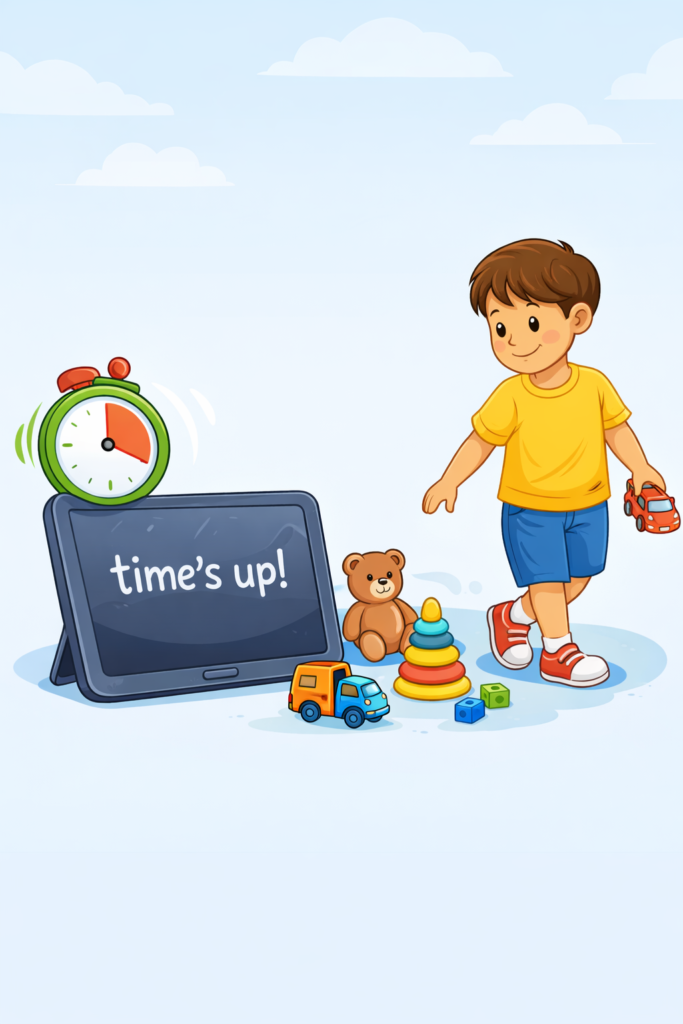
What to Do When Screen Time Ends (Screen Time Rules for Little Kids)
Ending screen time can be hard for little kids. Give warnings and keep routines predictable.
Helpful tips,
Give a 5-minute warning before screen time ends,
Use a timer kids can see,
Offer another fun activity after,
Stay calm and consistent.
Transitions get easier with practice.
Final Thoughts on Screen Time Rules for Little Kids
Screen time does not have to be stressful. With clear rules, good content, and loving guidance, screens can fit into a healthy childhood.
Start small, stay consistent, and remember, connection matters more than perfection.
YOU MAY LIKE;