
Cost of Raising a Child in the USA Explained Simply
Thank you for reading this post, don't forget to subscribe!Raising a child is one of life’s greatest joys, but it also comes with real financial responsibilities.
Many parents, especially new or expecting ones, often ask: How much does it actually cost to raise a child?
In this guide, we break everything down in a simple, realistic way so you can understand where the money goes and how families manage expenses in the United States today.
Why Understanding Child Costs Matters
Before a baby arrives, most parents think mainly about diapers and baby clothes, but the truth is, child-raising costs go far beyond the early years. Expenses grow as children grow, from healthcare and childcare to education, food, and activities.
Understanding these costs helps parents:
- Plan financially
- Reduce stress
- Make smarter spending decisions
- Avoid unnecessary debt
The goal is not to scare parents, but to help them prepare wisely.

Average Cost of Raising a Child
On average, raising one child in the U.S. from birth to age 18 can cost hundreds of thousands of dollars. This number varies depending on:
- Location (city vs rural areas)
- Family income level
- Lifestyle choices
- Childcare needs
Urban areas tend to be more expensive because housing and daycare costs are higher.
But remember, this amount is spread across 18 years.
Families are not paying everything at once.
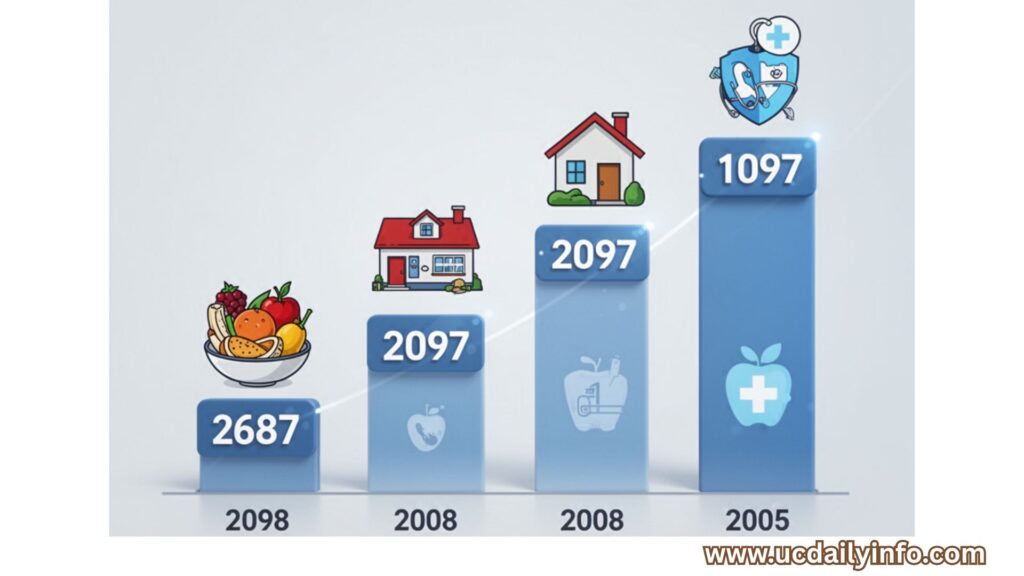
Housing: The Biggest Expense
Housing usually takes the largest share of child-raising costs.
When families have children, they often:
- Move to bigger apartments or homes
- Choose safer neighborhoods
- Live closer to good schools
Extra bedrooms, higher rent, or mortgage payments significantly increase expenses.
Even utilities like electricity, water, and internet rise as the household grows.

Childcare and Education Costs
For working parents, childcare is often one of the most expensive parts of raising a child.
Common childcare expenses include:
- Daycare centers
- Babysitters or nannies
- Preschool programs
- After-school care
In many families, childcare costs can equal or even exceed monthly rent during early childhood years.
As children grow older, education costs appear:
- School supplies
- Uniforms or clothing
- Technology devices
- Extracurricular activities

Food and Daily Living Expenses
Children eat more as they grow — especially during teenage years. Grocery bills increase steadily over time.
Typical food-related costs include:
- Baby formula and baby food
- Snacks and packed lunches
- Family dining expenses
- Special dietary needs
Daily living costs also include:
- Clothing and shoes
- Personal hygiene items
- Toys and entertainment
Parents often underestimate how quickly these small purchases add up.

Healthcare and Insurance
Healthcare is another important expense. Even with insurance, families may pay for:
- Doctor visits
- Vaccinations
- Dental care
- Eye exams and glasses
- Emergency treatments
Young children visit doctors frequently, while teenagers may require sports physicals or orthodontic care.
Planning for healthcare helps avoid unexpected financial stress.

Transportation Costs
Having children often changes how families travel and many parents upgrade vehicles for safety and space.
Transportation expenses may include:
- Larger vehicles or car payments
- Fuel costs
- Car seats and safety equipment
- School transportation
- Family travel
Even everyday driving increases once school runs and activities begin.

Extracurricular Activities and Lifestyle (Cost of Raising a Child in the USA Explained Simply)
As children grow, parents invest in their development through activities such as:
- Sports teams
- Music lessons
- Art classes
- Educational programs
These experiences help children build confidence and skills, but they also add to monthly expenses.
The key is balance, children do not need every activity to thrive.

Hidden Costs Many Parents Forget (Cost of Raising a Child in the USA Explained Simply)
Some expenses are easy to overlook, including:
- Birthday parties and gifts
- Holiday celebrations
- School trips
- Increased internet and phone usage
- Replacement of damaged household items
These small, occasional costs accumulate over time.

How Families Reduce Child-Raising Costs (Cost of Raising a Child in the USA Explained Simply)
The good news is that many families successfully manage expenses through smart planning.
Helpful strategies include: (Cost of Raising a Child in the USA Explained Simply)
- Buying second-hand baby items
- Budgeting monthly child expenses
- Cooking meals at home
- Using community programs and libraries
- Sharing childcare with trusted relatives
Financial planning matters more than income level. Many parents raise happy children without spending excessively.

Emotional Value vs Financial Cost (Cost of Raising a Child in the USA Explained Simply)
While numbers can seem overwhelming, many parents say the emotional rewards far outweigh the financial investment.
Children bring: (Cost of Raising a Child in the USA Explained Simply)
- Joy and laughter
- Purpose and motivation
- Strong family bonds
- Meaningful life experiences
Money supports raising a child, but love, guidance, and time shape who they become.

Planning Makes Parenting Easier (Cost of Raising a Child in the USA Explained Simply)
Raising a child in the U.S. is expensive, but it becomes manageable with awareness and preparation. Understanding where money goes allows parents to make confident choices instead of reacting to surprises.
Remember: (Cost of Raising a Child in the USA Explained Simply)
- Costs grow gradually over time
- Every family’s journey is different
- Smart planning reduces stress
Parenthood is not about spending the most, it’s about creating a safe, loving environment where children can grow and succeed.

YOU MAY LIKE;